Endive Bunch Each
Dave's read — Endive, year-round:
Endive follows the same cool season pattern as radicchio, watercress and English spinach. Autumn and winter, April through August, is when Australian endive is at its finest. Cool growing conditions produce tight, pale heads with a clean balanced bitterness and good crispness. Warmer months produce looser, more intensely bitter leaves that are harder to work with.
Worth addressing the bitterness directly as with radicchio. Same barrier to purchase, same opportunity to reframe it as a strength. The customer who understands what bitterness does in a dish — how it cuts through richness, balances sweetness, cleanses the palate — becomes a loyal buyer of endive just as they do with radicchio.
The Belgian endive distinction is worth making if relevant. Tight pale elongated heads grown in darkness to reduce bitterness and develop that characteristic pale colouring. The visual is distinctive and worth describing.
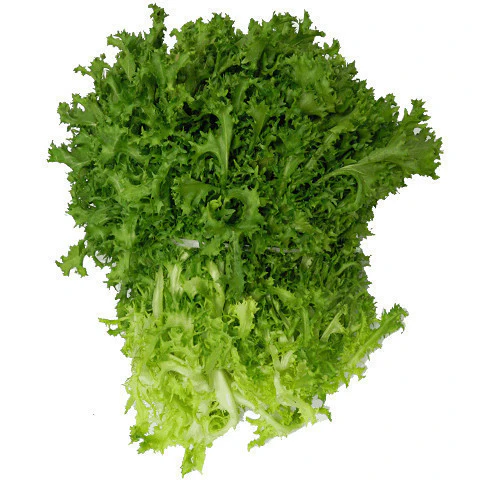
Quality signal: heads should be firm and tight with pale cream to white leaves and yellow-green tips. No browning at the edges or looseness in the leaves. A fresh endive is dense and heavy for its size. Keep them away from light as much as possible — light turns the leaves green and increases bitterness.
Dave's call: Sell the bitterness honestly as radicchio's elegant cousin. Cool season window, same reframing approach. Give them the light storage tip because it genuinely matters with endive.
Endive Bunch Each
Elegant, crisp and pleasantly bitter — endive is the cool season leaf that rewards the cook who knows how to use it. Pale, tightly packed and with a clean bitter edge that cuts through richness and lifts everything it is paired with, it is one of the most versatile and underappreciated leaves in the produce section.
At its best from April through August when cool growing conditions produce tight firm heads with a balanced bitterness and good crispness. Available year-round but the cool season endive is noticeably the better product.
Separate the leaves and use as natural scoops for a blue cheese and walnut filling, a smoked salmon and crème fraîche topping, or a simple prawn and avocado combination for an elegant no-fuss starter. Halve lengthways and caramelise cut side down in butter until golden and tender where the bitterness softens beautifully into sweetness. Tear through a salad with orange segments, toasted hazelnuts and a light vinaigrette where the contrast is the whole point. Braise slowly in chicken stock and butter for a classic French preparation that transforms the leaf entirely.
Look for heads that are firm and tight with pale cream to white leaves and yellow-green tips and no browning at the edges. Store away from direct light — light turns the leaves green and intensifies the bitterness. Dense and heavy for its size is your freshness signal.
Original: $3.57
-65%$3.57
$1.25Product Information
Product Information
Shipping & Returns
Shipping & Returns
Description
Dave's read — Endive, year-round:
Endive follows the same cool season pattern as radicchio, watercress and English spinach. Autumn and winter, April through August, is when Australian endive is at its finest. Cool growing conditions produce tight, pale heads with a clean balanced bitterness and good crispness. Warmer months produce looser, more intensely bitter leaves that are harder to work with.
Worth addressing the bitterness directly as with radicchio. Same barrier to purchase, same opportunity to reframe it as a strength. The customer who understands what bitterness does in a dish — how it cuts through richness, balances sweetness, cleanses the palate — becomes a loyal buyer of endive just as they do with radicchio.
The Belgian endive distinction is worth making if relevant. Tight pale elongated heads grown in darkness to reduce bitterness and develop that characteristic pale colouring. The visual is distinctive and worth describing.
Quality signal: heads should be firm and tight with pale cream to white leaves and yellow-green tips. No browning at the edges or looseness in the leaves. A fresh endive is dense and heavy for its size. Keep them away from light as much as possible — light turns the leaves green and increases bitterness.
Dave's call: Sell the bitterness honestly as radicchio's elegant cousin. Cool season window, same reframing approach. Give them the light storage tip because it genuinely matters with endive.
Endive Bunch Each
Elegant, crisp and pleasantly bitter — endive is the cool season leaf that rewards the cook who knows how to use it. Pale, tightly packed and with a clean bitter edge that cuts through richness and lifts everything it is paired with, it is one of the most versatile and underappreciated leaves in the produce section.
At its best from April through August when cool growing conditions produce tight firm heads with a balanced bitterness and good crispness. Available year-round but the cool season endive is noticeably the better product.
Separate the leaves and use as natural scoops for a blue cheese and walnut filling, a smoked salmon and crème fraîche topping, or a simple prawn and avocado combination for an elegant no-fuss starter. Halve lengthways and caramelise cut side down in butter until golden and tender where the bitterness softens beautifully into sweetness. Tear through a salad with orange segments, toasted hazelnuts and a light vinaigrette where the contrast is the whole point. Braise slowly in chicken stock and butter for a classic French preparation that transforms the leaf entirely.
Look for heads that are firm and tight with pale cream to white leaves and yellow-green tips and no browning at the edges. Store away from direct light — light turns the leaves green and intensifies the bitterness. Dense and heavy for its size is your freshness signal.